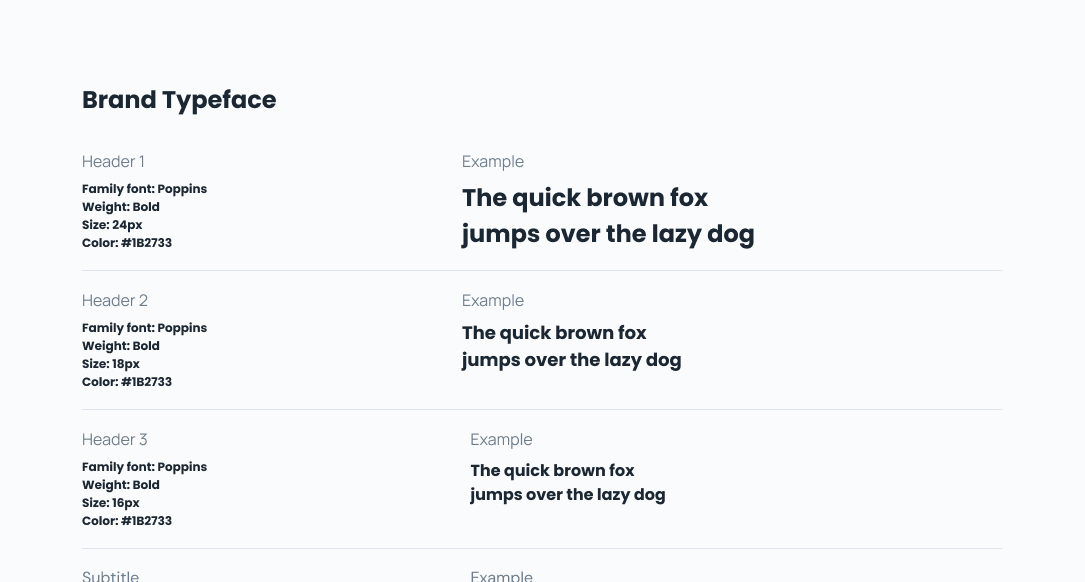
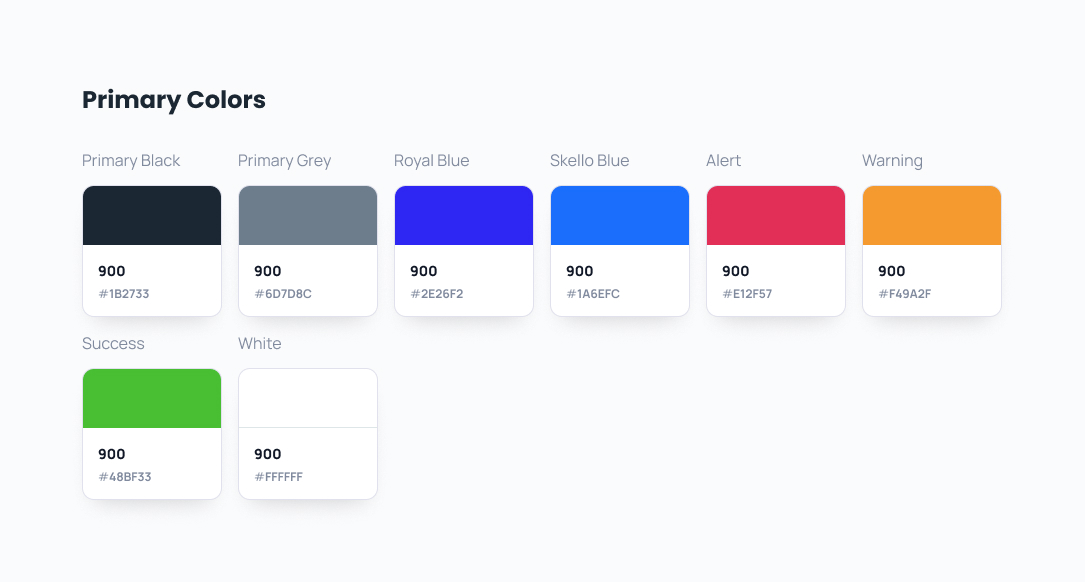
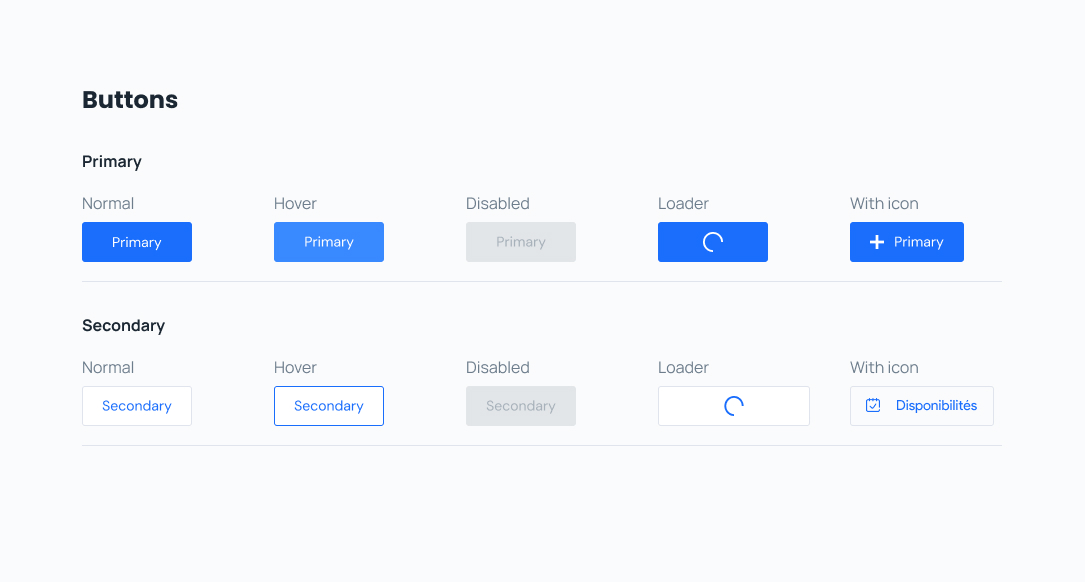
A structured Design System built for Skello, aligning design and engineering around reusable, well-documented components — reinforcing consistency, speeding up production, and giving every team a shared foundation to build on. Here's the story of why it was needed, how it came together, and what changed once it shipped.
Context
Skello is a hyper-growth European company on a mission to plan its customers' success — revolutionizing workforce management so any manager can optimize, simplify, and plan work through one intuitive tool. Growing that fast puts real pressure on a product: new features ship constantly, new designers and developers join the team, and without a shared foundation, every screen starts drifting a little further from the last.
My role
Ran the discovery workshops, managed the project end to end, and designed the system's components — from responsive layouts to interactive prototypes. That meant going back and forth constantly between designers who needed flexibility and developers who needed precision, and finding the middle ground both sides could actually rely on.
Tools
Design work happened entirely in Figma, from early explorations through to the final, developer-ready component specs.
To improve collaboration between Design and Tech teams by establishing a shared foundation of reusable, consistent, and well-documented components. By reinforcing standardization and reducing repetitive tasks, the Design System aims to speed up production, ensure a better user experience, and align teams around a common product vision.
In a fast-growing product like Skello's, every new feature was competing for the same design and engineering time. A shared library meant solving a problem once — a dropdown, a banner, a button state — solved it everywhere it showed up next, instead of each team quietly reinventing it from scratch.
Before implementing the Design System, teams faced multiple obstacles: visual inconsistencies across the interface, wasted time recreating existing components, and insufficient documentation that made collaboration with developers difficult. The challenge was to build a reliable, maintainable, and shared foundation that meets the expectations of various profiles (designers, developers, PMs, QA) while supporting the product's growth.
These weren't just cosmetic issues. Every inconsistency was a small tax on trust — between designers handing off screens that didn't quite match what got built, and developers unsure which version of a component was the "real" one. Fixing that meant getting designers, developers, PMs and QA to agree on a single source of truth, not just a style guide nobody opened.
The solution lies in the implementation of a structured Design System encompassing both perceptual and functional patterns.
On the perceptual side, the system introduces standardized typography, a coherent and harmonized color palette, a unified icon library, and consistent shapes and spacing — all contributing to a strong and cohesive visual identity. Every color and type style was documented down to its exact token, so a developer could go from a Figma frame straight to production code without guesswork.
On the functional side, it provides optimized navigation elements, refined filter panels, ergonomic dropdown menus, and intuitive notification systems. Together, these elements help teams design and develop faster while maintaining consistency, scalability, and usability across the entire product.
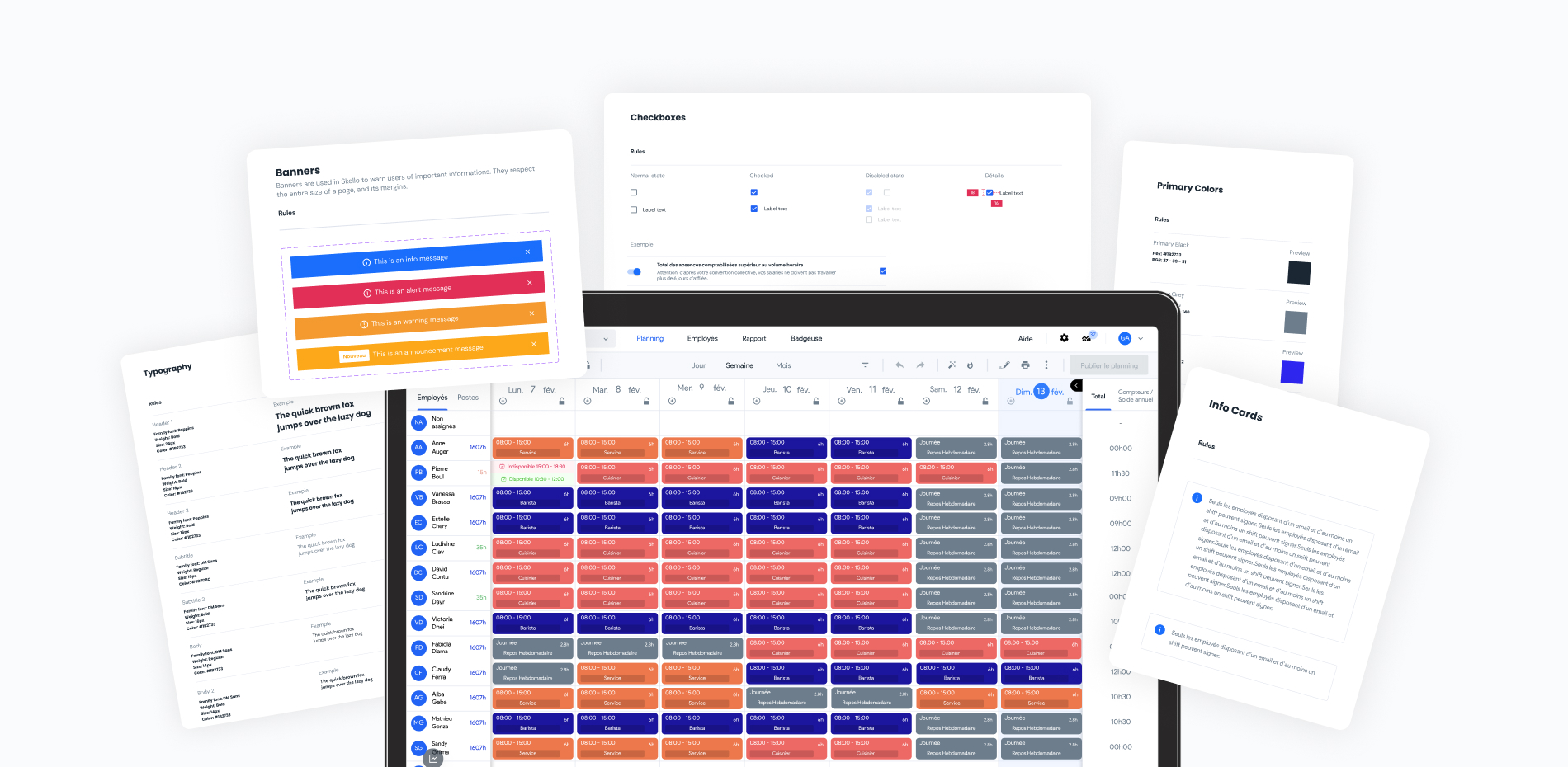
This initiative demonstrates how a well-structured Design System can become a key enabler of efficiency, consistency, and innovation. By aligning design and development around a shared framework, Skello has not only improved internal workflows but also laid the foundation for a more scalable and user-centric product.
The clearest sign it worked wasn't a metric — it was fewer conversations about which button to use, and more time spent on the actual product problem. As the Design System continues to evolve, it remains one of the most reused pieces of infrastructure at Skello, quietly supporting every new screen shipped since.